Getting your car ready for winter 2026-27: a checklist for the battery, tires, fluids and emergency kit
Cold weather saps batteries, lowers tire pressure and can turn a breakdown into an emergency. Here is what federal safety agencies recommend checking before the first storm.
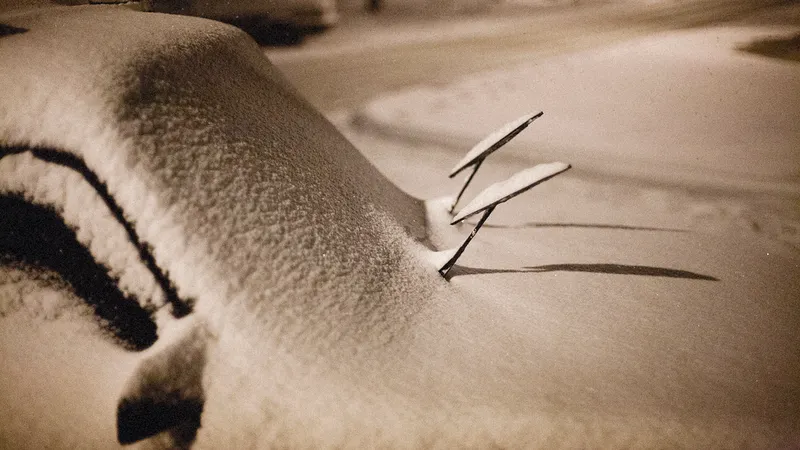
With colder weather on the way for much of the country, now is the time to get your vehicle ready for winter. The National Highway Traffic Safety Administration says preparing yourself and your vehicle is key, noting that in 2023 there were 320 fatal crashes and an estimated 22,293 injury crashes that happened in snow or sleet conditions. The checklist below draws on guidance from NHTSA and the federal preparedness site Ready.gov. Your owner's manual and a qualified mechanic are the best sources for your specific vehicle.
Battery and charging system
NHTSA says that when the temperature drops, so does battery power: gasoline and diesel engines need more battery power to start in the cold, and electric and hybrid vehicles can lose driving range. The agency recommends having a mechanic check your battery, charging system and belts, and handle any needed repairs. FuelEconomy.gov adds that battery performance decreases in cold weather, making it harder for the alternator to keep the battery charged.
If you drive an electric vehicle, NHTSA says to keep the battery charged and minimize drain on it. A common way to do that is to plug the vehicle in overnight during winter, which helps keep the battery within its best temperature range. FuelEconomy.gov suggests preheating the cabin while the car is still plugged in and using seat warmers instead of the cabin heater to extend range.
Tires: pressure, tread and winter tires
- Pressure. As the outside temperature drops, so does tire pressure. Fill each tire to the vehicle maker's recommended pressure, found in the owner's manual and on a label on the driver's side door frame. Do not use the number on the tire itself; NHTSA says that is the maximum the tire can hold, not the recommended pressure.
- When to check. Inspect tires at least once a month and before long trips, ideally when they are cold, meaning the car has not been driven for at least three hours.
- Tread. NHTSA says tires are not safe and should be replaced when the tread is worn down to 2/32 of an inch. Tires have built-in treadwear indicators; when the tread is level with them, it is time for new tires. For a quick check, place a penny in the tread with Lincoln's head upside down and facing you. If you can see the top of his head, replace the tire.
- Damage and age. Look for cuts, punctures, bulges, cracks or bumps on the tread and sidewalls, and have any damage checked by a tire professional. NHTSA notes that some vehicle makers recommend replacing tires every six years regardless of use.
- Winter tires. NHTSA suggests considering snow tires, and Ready.gov recommends good winter tires with enough tread, or any chains or studs required where you live. NHTSA's tire ratings let you compare treadwear, traction and temperature resistance before you buy.
Fluids, wipers and lights
- Washer fluid. You can go through a lot in a single storm. NHTSA recommends filling the reservoir with a high-quality winter fluid that contains de-icer.
- Wipers and defrosters. Make sure the defrosters and all wipers work, and replace worn blades. Heavy-duty winter blades are an option in snowy areas.
- Coolant. Check that you have enough coolant and that it meets the manufacturer's specifications. Have the cooling system checked for leaks, and test or replace old coolant as recommended.
- Lights. Check headlights, brake lights, turn signals, emergency flashers and interior lights, and trailer lights if you tow.
- Floor mats. Thicker or rubber mats can handle slush, but NHTSA warns that a poorly installed mat can interfere with the gas or brake pedal. Use the right size and secure it with the retention clips.
Ready.gov's list of items to have a mechanic check before an emergency also includes the brakes, exhaust system, fuel and air filters, heater, oil and thermostat.
Pack an emergency kit
NHTSA and Ready.gov recommend keeping these in the car through winter:
- Sand or cat litter for traction if you get stuck
- Jumper cables and a flashlight
- Flares, a reflective triangle or other warning devices
- An ice scraper
- Blankets and warm clothes
- A cell phone and car charger
- Water, nonperishable food and any medicine you need
- A paper map
NHTSA also advises keeping your gas tank close to full whenever possible. Ready.gov notes a full tank helps keep the fuel line from freezing.
If you get stuck
If you are stopped or stalled in winter weather, NHTSA says to stay with your car and avoid overexerting yourself. Make the car visible by putting bright markers on the antenna or windows and keeping the dome light on. Watch for carbon monoxide: make sure the exhaust pipe is clear of snow, run the engine only occasionally to stay warm, and do not run it for long periods with the windows up or in an enclosed space.
Before you drive
- Check weather and traffic reports, and consider postponing nonessential trips until roads are cleared.
- Tell someone your route and expected arrival time on longer trips.
- Ready.gov advises turning off cruise control on slippery, icy or snowy roads.
- Use NHTSA's recall lookup at NHTSA.gov/recalls with your vehicle identification number to see whether your car has an unrepaired safety recall. Recall repairs are free.
This checklist covers general guidance. For maintenance intervals, fluid types and tire specifications, follow your owner's manual or ask a qualified mechanic.
Sources
- NHTSA: Winter Weather Driving Tips: Prepare Your Vehicle
- NHTSA: Tire Safety Ratings and Awareness
- Ready.gov: Car Safety
- Ready.gov: Winter Weather
- FuelEconomy.gov: Fuel Economy in Cold Weather
Article Was Generated By AI. It was researched against the official sources listed above. This article is general information, not financial, legal or medical advice. Spotted an error? Email info@thechopshop.click.